
Syria’s economy is entering one of its most uncertain - but potentially decisive - phases. After more than a decade of civil conflict, the transitional government led by interim President Ahmed al-Sharaa is attempting to chart a new economic course. There are signs of momentum - investment pledges, remittances from Syrians abroad, and a revival of regional trade - but deep systemic cracks remain.
The economy contracted by about 1.5 percent in 2024, yet the World Bank projects a modest growth of up to 1 percent in 2025. Crucially, this growth is not fueled by domestic production. Instead, it is being sustained by external inflows, particularly remittances. Between December 2024 and June 2025, Syrians living abroad sent nearly $1 billion back home, acting as a vital economic lifeline.
Investment commitments have also surged, with pledges totaling $14 billion in August and $6.4 billion in July 2025. These funds are earmarked for critical sectors such as infrastructure, transportation, real estate, and telecommunications - central to rebuilding the country scarred by over a decade of civil conflict.
However, these figures raise concerns. Much of the pledged investment originates from obscure entities and politically connected individuals, casting doubt on transparency and accountability. This mirrors a familiar pattern in Syria, where aid and reconstruction funds have historically been co-opted for the benefit of a select few.
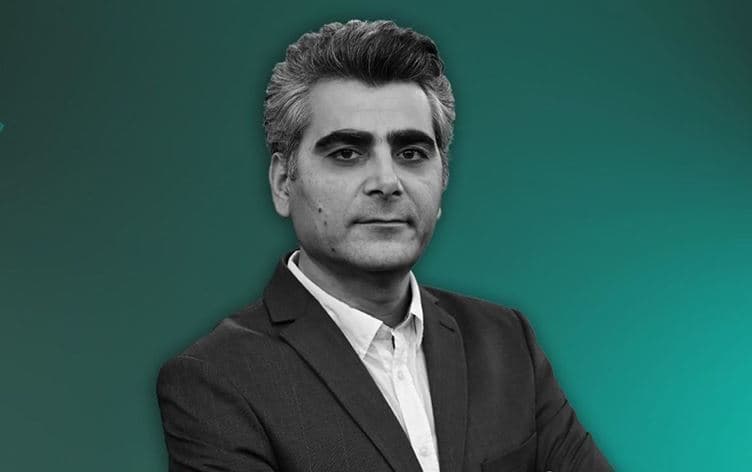
In an interview with Rudaw, renowned economist Musallam Abedtalas remarked that “these investment figures look impressive on paper, but without a clear legal and institutional framework, they risk repeating the same cycle of corruption and cronyism that crippled Syria’s economy in the first place.”
Despite serious challenges, Syria retains several strategic advantages: a critical geographic location, abundant natural resources, and a resilient population. But these assets are overshadowed by a severe humanitarian and economic crisis. A February 2025 report by the United Nations Development Programme (UNDP) found that poverty affects 90 percent of the population, while unemployment exceeds 30 percent and much of the country’s infrastructure remains in ruins.
According to Abedtalas, "The Syrian economy's current survival is not due to domestic productivity but rather because of remittances and informal trade." He warned that this dependency creates "a fragile structure where any disruption could trigger another wave of instability."
A fragile path to recovery
The transitional government has set out ambitious goals: unifying exchange rates, reforming the banking sector, and attracting large-scale infrastructure investment. Yet their success hinges entirely on building institutional credibility and state capacity - two areas where Syria has historically struggled.
The country’s economic survival currently depends on external support. For example, Qatar’s backing of government salaries -administered via the UNDP - is both a financial lifeline and a geopolitical tool, potentially enhancing Doha’s influence over Damascus’s future.
Meanwhile, Syria’s political landscape remains volatile. Intercommunal violence in Alawite-majority coastal regions in early March and in the Druze-majority Suwayda province in mid-June has reignited fears of instability, further eroding investor confidence.
However, a potential breakthrough occurred on March 10, when President Sharaa and Mazloum Abdi, the head of the Kurdish-led Syrian Democratic Forces (SDF), signed a historic agreement to integrate civil and military institutions in northeast Syria (Rojava) under Damascus’s control.