
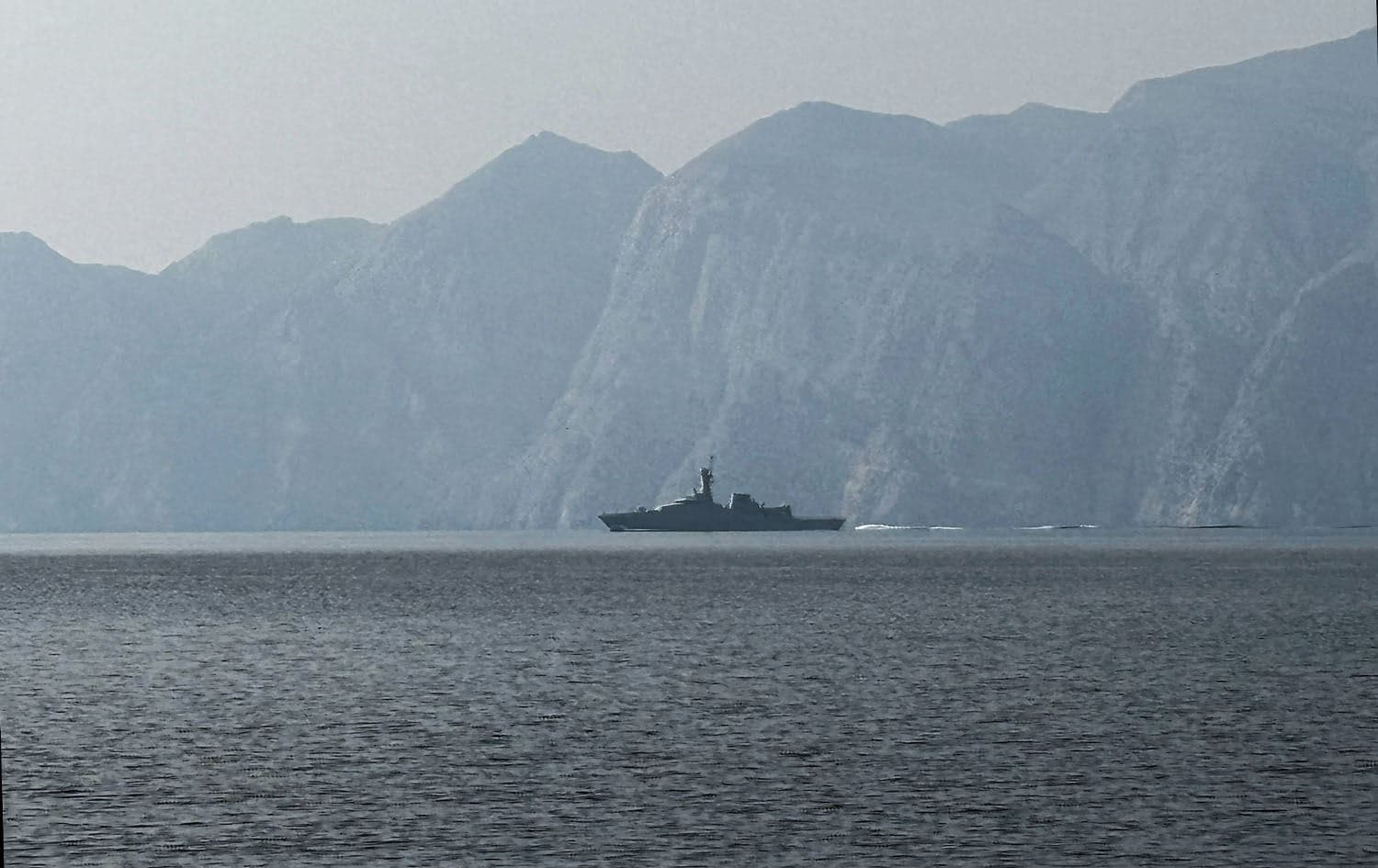
ERBIL, Kurdistan Region - As the joint US-Israeli campaign against Iran, known as Operation Epic Fury, enters its seventh day, the conflict has evolved into a significant regional maritime and economic disruption. Following a series of precision strikes that the Israel Defense Forces (IDF) say have degraded much of Iran’s strategic air defense and missile launch capabilities, the operational focus has shifted to the Persian Gulf.
Amid the hostilities, the declared closure of the Strait of Hormuz and a surge in drone activity targeting regional energy infrastructure have created a state of effective paralysis for global shipping and energy markets, prompting urgent diplomatic and economic countermeasures from neighboring states.
The locked artery: crisis at the Strait of Hormuz
The most immediate global threat is the effective closure of the Strait of Hormuz. While not under a formal naval blockade, the passage has seen a near-total withdrawal of marine war-risk insurance, coupled with direct Iranian strikes on commercial shipping.
Shipping collapse: Tanker traffic has fallen to just 20 percent of pre-war levels, with more than 150 freight ships currently stalled at the strait’s entrances.
Strategic depletion: The world is currently consuming over 100 million barrels of oil per day from strategic reserves to offset the disruption - a rate analysts warn is unsustainable for more than a few weeks.
Production shocks: Iraq has already been forced to cut production by 1.5 million barrels per day due to a lack of storage capacity, while Kuwait has only a two-week storage buffer remaining.
Country-by-country: a region under siege
The economic fallout is not uniform, but it is widespread, affecting countries according to their integration into the global economy.
The United Arab Emirates: a hub in the crosshairs
The UAE has sustained some of the heaviest losses due to its status as a global economic hub.
Energy and ports: Iranian drones have struck the Mussafah Fuel Terminal in Abu Dhabi and the Fujairah Oil Terminal. The port of Jebel Ali, one of the world’s ten busiest container ports, was also hit in the opening days of the conflict.
Aviation paralysis: More than 70 percent of flights to the UAE remain canceled. Dubai International Airport, which served over 95 million passengers in 2025, has been effectively grounded.
Historical first: In a first for modern warfare, an Amazon Web Services data center in Dubai was damaged by shrapnel, dealing a blow to the region’s digital infrastructure.