War is no longer a distant headline in the Kurdish capital, Erbil. It is visible, audible, and deeply personal. Just meters from homes, explosions rip through the air. Within seconds, quiet neighborhoods turn into scenes of chaos.
The latest strikes have hit a civilian camp housing Kurdish refugees from Iran - people already displaced, now caught in the crosshairs of yet another conflict. This is not a recognized battlefield nor a military base. Yet the flames of the escalating US-Iran war, ongoing since late February, have spread across the border into the Kurdistan Region, reaching civilian spaces and taking a growing toll on daily life.
According to Rudaw reporting as of Tuesday, the Kurdistan Region has endured more than 300 drone and missile attacks since the start of the confrontations. Iran-aligned Iraqi armed groups have claimed responsibility for much of these attacks, claiming they are targeting alleged US-linked sites.
For their part, Kurdish leaders have repeatedly stressed that the Kurdistan Region is not a party to the conflict and will not allow its territory to be used as a launchpad for attacks on neighboring countries. Despite this stance, the Region continues to bear the cost of a war that is not its own.
Rudaw’s Hevidar Ahmed visited a damaged home in Erbil where a drone strike had left a crater in the structure, with walls cracked and windows and doors blown apart. Yet beyond the physical destruction, something more enduring remains: fear. Claims by militias that civilians are not targets ring hollow here, as the war has not stopped at doorsteps, but has entered homes.
From Erbil, Ahmed traveled to the Iraqi capital, Baghdad - the political center that should hold authority over such matters. What quickly emerged, however, is a troubling reality: power in Baghdad is fragmented, authority is divided, and accountability remains elusive.
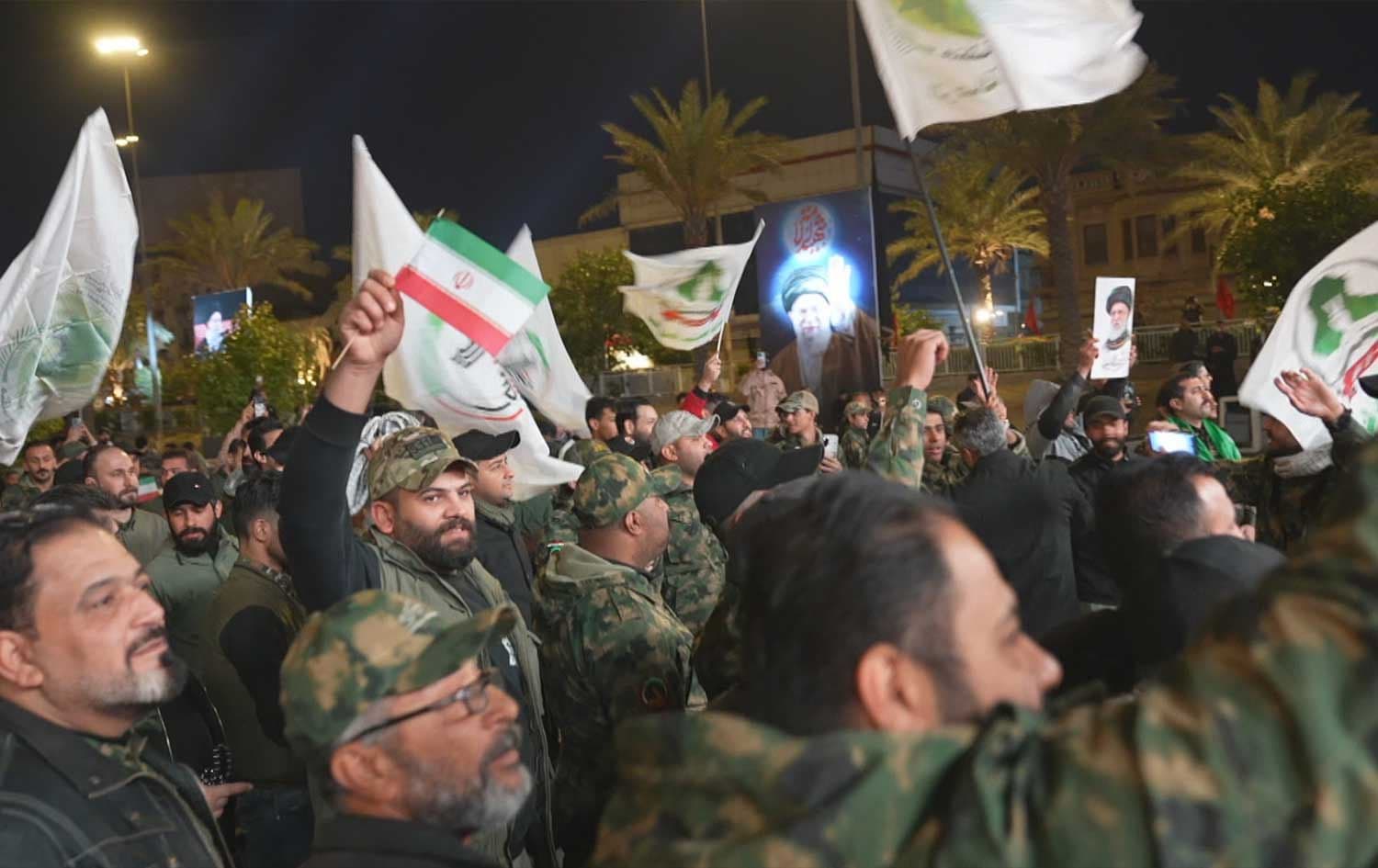
Armed forces are visible across key parts of the capital, while political imagery dominates public spaces.
Kurdistan17/03/2026
Unfinished stories: The flames of war in Erbil’s sky, a conflict without borders
2:35
Related Articles
At night, a sense of instability lingers, as if the situation could change at any moment. But despite this, officials and insiders alike are avoiding speaking openly.
Similarly, attempts to hear from armed factions’ commanders yield little as calls go unanswered and meetings are declined. This reluctance becomes a message in itself: the issue is too sensitive, too dangerous to address.
Even within state institutions, there appears to be little willingness to confront the role of these groups in the attacks on Erbil. What becomes clear is not just a lack of control, but a deeper issue. The state is not merely unable to restrain these groups; it appears unwilling - or perhaps incapable - of confronting them at all.
Demonstrations in Baghdad further reflect the latter dynamic. In recent weeks, Iran-aligned armed factions have gathered openly, voicing their opposition to the United States and Israel. Their messaging is direct: the fight is ongoing. Notably, these gatherings are secured by state forces, blurring the line between official authority and non-state actors.
Eventually, a spokesperson from one of these groups agrees to speak. His message is firm: the presence of US forces in the Kurdistan Region, he argues, justifies the attacks. He dismisses the authority of the Iraqi government in such decisions, asserting that armed groups act independently and do not require permission from any side.
Further discussions with political representatives linked to these factions reinforce a key point: these groups operate with external alignment and internal autonomy. Their decisions are not fully subject to Baghdad’s control.
Back in Erbil, regional officials confirm that the majority of attacks originate from such groups within Iraq. The Iraqi government, they say, has acknowledged its limited control over them. This raises a fundamental question: who truly holds power in Iraq - the government, or those with drones and missiles?
SuggestedQuestions