ERBIL, Kurdistan Region - Iraq’s northern oil exports are set to increase further as authorities ramp up shipments through the Kurdistan Region pipeline to Turkey following a recent agreement between Erbil and Baghdad, authorities said Wednesday.
Amer Khalil, director general of Iraq's state-run North Oil Company, told Rudaw that export volumes of Kirkuk crude have already climbed after a week of resumed flows via the Kurdistan Region’s pipeline to Turkey’s Ceyhan port.
"Currently, the export of Kirkuk and Kurdistan Region oil through the Region’s pipeline to the port of Ceyhan is approximately 200,000 barrels," Khalil said.
He added that production is being scaled up immediately. "Starting today, oil exports will rise to 250,000 barrels, and in the near future, the volume will reach 300,000 barrels," he said.
The increase follows an initial restart that saw exports rise from 170,000 barrels per day to around 200,000 barrels. Officials say the crude being shipped is a blend of oil from Kirkuk fields and production from the Kurdistan Region, with the Region contributing about 40,000 barrels per day.
Khalil also highlighted strong market interest in the shipments. "Due to its high quality, there is a high demand for Kirkuk oil," he said, noting that sales of the exported crude have already begun.
The renewed exports come after the first shipment of Kirkuk oil was dispatched on last week through the Kurdistan Region’s pipeline to the Turkish port of Ceyhan.
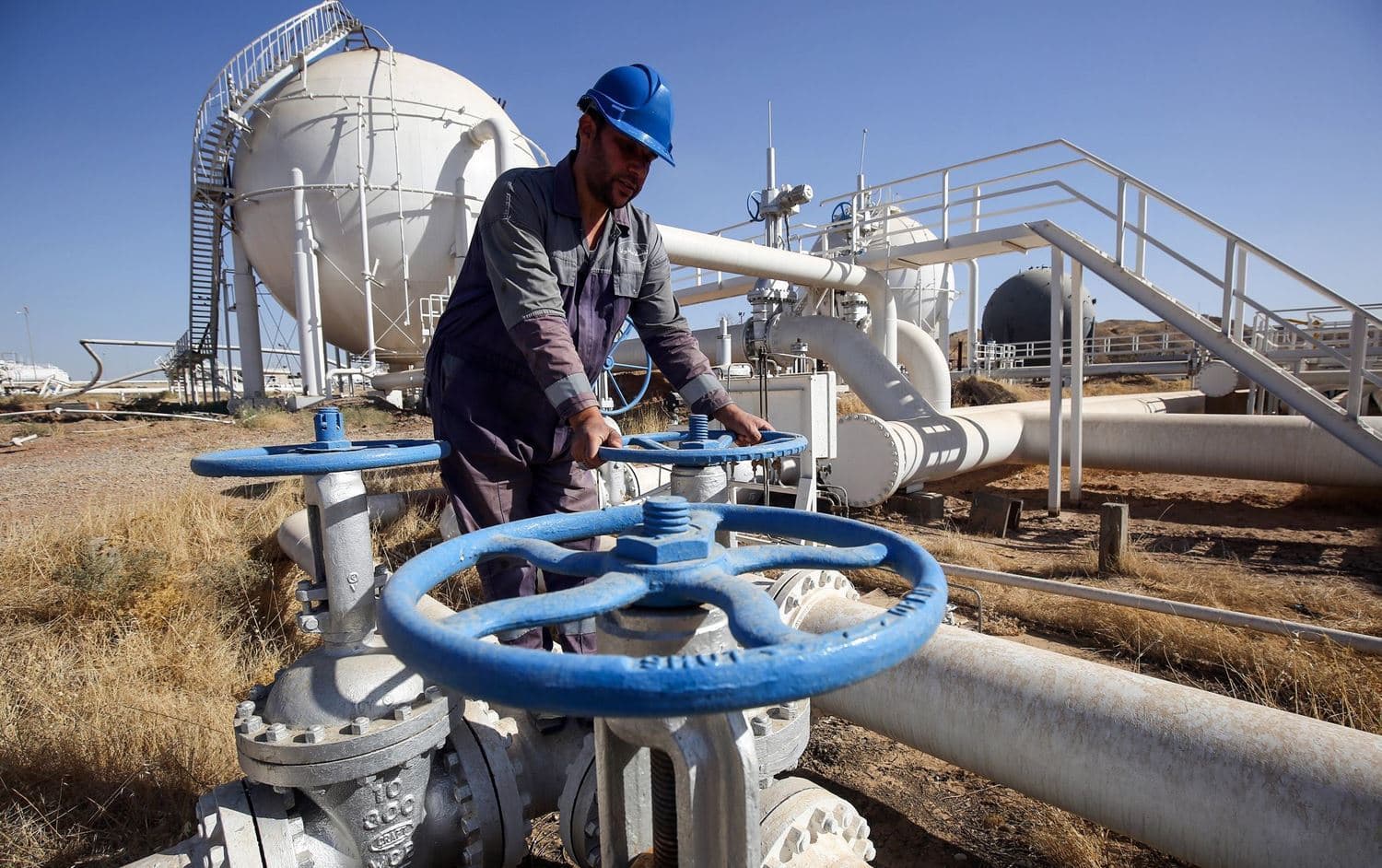
An oilfield in Kirkuk. File photo: AFP
Economic25/03/2026
Iraq to boost Kirkuk oil exports to 250,000 barrels per day via Kurdistan pipeline
2:35
Related Articles
Last week, Erbil and Baghdad reached a key agreement to export Kirkuk’s oil via the Kurdistan Region's pipeline to Turkey.
The agreement came shortly after Iraq’s oil ministry warned that blocking oil exports through the key pipeline posed a “major risk” to the country’s interests.
The ministry said earlier such exports could help “alleviate the severity of the crisis caused by the closure of the Strait of Hormuz” amid escalating regional tensions.
Since the closure of the Strait of Hormuz, the federal government has been scrambling to find alternative routes to export its crude, which accounts for around 90 percent of the country’s revenues.
The shift to the Region's pipeline follows major disruptions to Iraq’s southern export infrastructure. Oil shipments through Basra ports were halted on February 28 following the US and Israeli military campaign against Iran.
Prior to the conflict, Iraq exported around 3.4 million barrels of oil per day. With southern routes offline, the country is now relying only on the northern corridor through Turkey to sustain its oil exports.
SuggestedQuestions